

 By
By Introduction
The world’s smallest LED screens are redefining what’s possible in display technology. Designed for those who crave both portability and high performance, these tiny marvels are turning heads across several domains, from personal gadgets to professional setups. In this exploration, we dive into the capabilities of these compact devices, examining their benefits, key features, and the standout models of 2024.
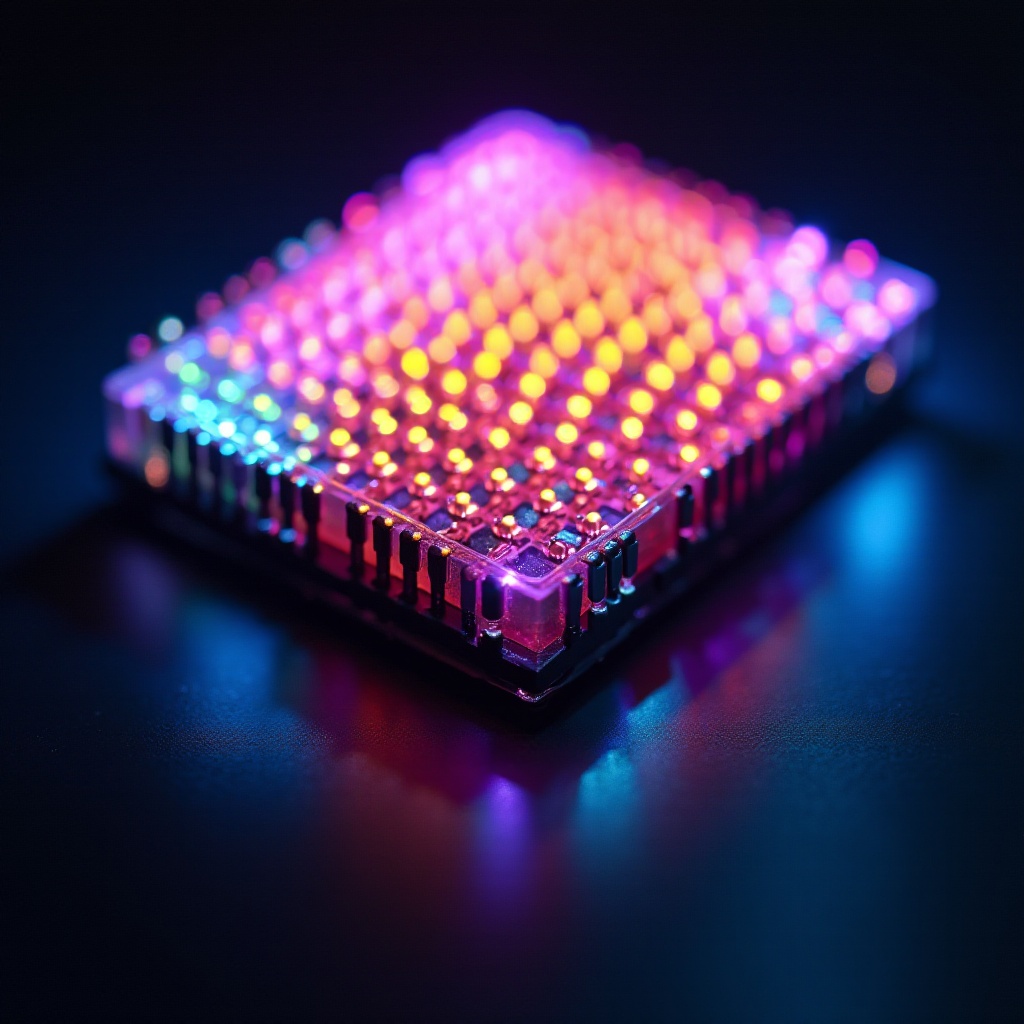
Understanding LED Technology and Miniaturization
To fully appreciate why the smallest LED screens are capturing attention, it’s essential to grasp the fundamentals of LED technology. Light Emitting Diodes (LEDs) use semiconductors to convert electricity into light, offering brilliant colors, superior brightness, and exceptional energy efficiency.
What are LED Screens?
LED screens distinguish themselves by using LED backlighting, unlike traditional LCDs that rely on fluorescent lights. This backlighting not only enhances brightness and color accuracy but also leads to thinner and more energy-efficient screens, setting a high standard for visual display.
The Role of LED Miniaturization in Modern Displays
Advancements in technology have made it possible to produce smaller LED screens without sacrificing quality. This miniaturization leverages improvements in semiconductor fabrication and micro-engineering, making these displays highly suitable for compact and portable applications, such as smartphones, tablets, and advanced wearable tech.
Understanding these basics is crucial, but what truly sets these small screens apart? Let’s explore the multiple advantages they offer.
Why Choose the Smallest LED Screens?
The smallest LED screens offer compelling advantages beyond their reduced size, catering to innovators and users who demand flexibility and efficiency.
Portability and Convenience
- Lightweight and compact, these screens fit effortlessly into any travel setup, ideal for digital nomads and professionals on the go.
- With minimal footprint, they’re perfect for easy setups in tight spaces, enhancing both workflow and mobile entertainment options.
Energy Efficiency and Cost-Effectiveness
- Smaller screens consume less power, making them environmentally friendly while dramatically reducing electricity costs over time.
- This efficiency not only translates to savings but also supports sustainable practices in tech usage, appealing to eco-conscious consumers.
Versatility Across Various Applications
- From enabling sophisticated automotive displays to serving as interactive portable panels, their applications are virtually limitless.
- Such flexibility allows seamless integration into diverse environments, boosting functionality without compromising performance.
While the benefits are undeniable, choosing the right screen involves understanding certain features. Here’s what to consider.
Top Features to Consider in the Smallest LED Screens
When investing in the smallest LED screens, key features can significantly impact overall experience and satisfaction.
Resolution and Image Quality
- High resolution is crucial for clarity and vividness; prioritize screens with superior pixel density for the best picture quality, enhancing viewing pleasure.
- High-quality screens can offer crisp images even in compact forms, proving crucial for both productivity tasks and multimedia enjoyment.
Connectivity Options
- A range of connections, including HDMI and USB-C, ensures compatibility with multiple devices and maximizes usability.
- Wireless and Bluetooth capabilities further enhance convenience, eliminating the need for excess cables and facilitating sleek setups.
Durability and Build Quality
- Robust materials prevent damage from daily handling, crucial for portable devices that travel frequently.
- Consider screens with sturdy construction and features like scratch-resistant coatings to enhance longevity and value.
With these insights on features, the next step is identifying the leading models in the market. Let’s review some top choices for this year.
Review of the Smallest LED Screens Available in 2024
In 2024, advancements in display technology have brought several outstanding small LED screens to market, each offering unique benefits.
Leading Brands and Models
- Samsung’s newest portable monitor offers stunning clarity in a surprisingly small package, pushing the limits of screen technology.
- LG’s innovative Nubia Alpha pivots wearable tech with its remarkable display, offering groundbreaking integration between flexibility and functionality.
Comparison Table of Key Features
| Model | Resolution | Connectivity | Special Features | ||
| Samsung Galaxy | 1080p | USB-C, HDMI | Touchscreen Display | ||
| LG Nubia Alpha | 4K | Bluetooth | Wearable Technology |
Pros and Cons of Each Model
- Samsung Galaxy Pros: Portable, high resolution, versatile connectivity.
- Samsung Galaxy Cons: Premium pricing reflects advanced features.
- LG Nubia Alpha Pros: Wearable, ultra-high-definition offer novel user experiences.
- LG Nubia Alpha Cons: Connectivity options may be limited for some uses.
With these models highlighted, the industry is poised for continued innovation. What exciting trends are on the horizon?
Emerging Trends in Small LED Screen Technology
The future promises continued evolution in small LED screen technology, with groundbreaking trends shaping how we use these devices.
Flexibility and Adaptability
Flexible screens that fold or wrap without damage are moving from concept to reality, offering new possibilities for technology integration into everyday life.
Integration with Wearable Technology
As wearable technology evolves, small LED screens become pivotal, transforming user interaction and providing seamless, intuitive experiences on the move.
These trends highlight the dynamic nature of small LED screen technology, setting the stage for future innovations that promise to enhance functionality without increasing size.
Conclusion
The smallest LED screens represent a breakthrough in display technology, bringing together the benefits of portability and performance. They transform how professionals and consumers approach tasks, entertainment, and communication. As innovation continues, these screens will play an increasingly central role in technological advancement, prompting ongoing exploration and development.
Frequently Asked Questions
How do small LED screens compare to larger ones in terms of performance?
Small LED screens often match or exceed larger ones in performance thanks to high pixel density and brightness, offering quality visuals with less energy.
Are small LED screens suitable for outdoor use?
Yes, many small LED screens are designed for outdoor use with features like high brightness and anti-glare finishes for visibility in bright settings.
What are the common uses of the smallest LED screens in 2024?
In 2024, smallest LED screens are frequently used in portable monitors, wearables, automotive displays, and public information boards for their flexibility and quality.